Interior design trends for modern residences are l...
Read More
Sustainable architecture is a fundamental shift toward creating buildings that exist in harmony with their natural surroundings. It addresses the growing need for environmental responsibility by minimizing energy consumption, reducing carbon footprints, and conserving natural resources throughout a building's lifecycle. Designing sustainably ensures that structures remain resilient, efficient, and healthy for generations to come.
Passive design strategies form the core of eco-friendly architectural planning. By analyzing local climate patterns, building orientation, and natural wind pathways, architects can design structures that naturally regulate indoor temperatures. Maximizing cross-ventilation, using shaded overhangs, and optimizing daylighting drastically reduces the dependence on artificial heating, cooling, and lighting systems.
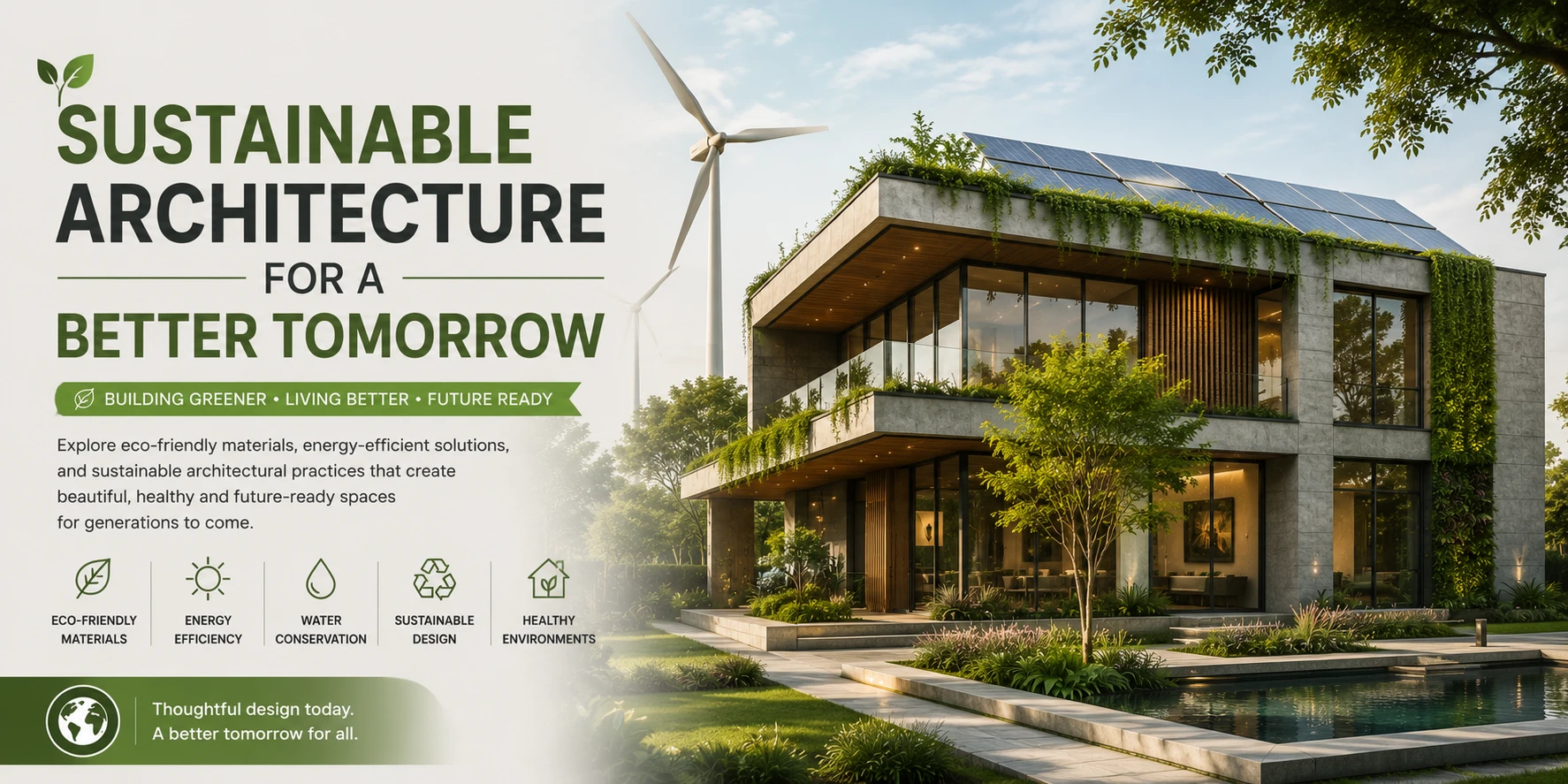
Selecting renewable, locally sourced, and low-impact materials is vital for eco-conscious construction. Materials such as sustainably harvested timber, recycled steel, natural stone, and non-toxic insulation reduce transport emissions and safeguard indoor air quality. These durable choices lower maintenance requirements while giving buildings a rich, organic visual character rooted in their local geography.
Integrating smart green technologies enhances building performance and energy self-reliance. Rainwater harvesting systems, solar energy generation, greywater recycling, and green roof installations turn modern buildings into self-sustaining structures. Sustainable architecture transforms living and working environments into eco-friendly sanctuaries that contribute positively to the planet.
Eco-conscious design is the cornerstone of modern architectural responsibility. By combining passive environmental techniques, renewable construction materials, and intelligent energy management systems, sustainable architecture creates healthy, energy-efficient spaces that preserve natural ecosystems without compromising on luxury or structural elegance.
Designing buildings with optimal solar orientation and natural ventilation reduces energy consumption. Incorporating strategic overhangs, thermal mass, and high-performance insulation creates comfortable indoor temperatures naturally throughout changing seasons.
Using renewable building supplies like reclaimed wood, natural stone, and non-toxic finishes supports environmental health. Integrating rainwater harvesting, solar energy, and smart power systems ensures long-term sustainability and operational self-efficiency.
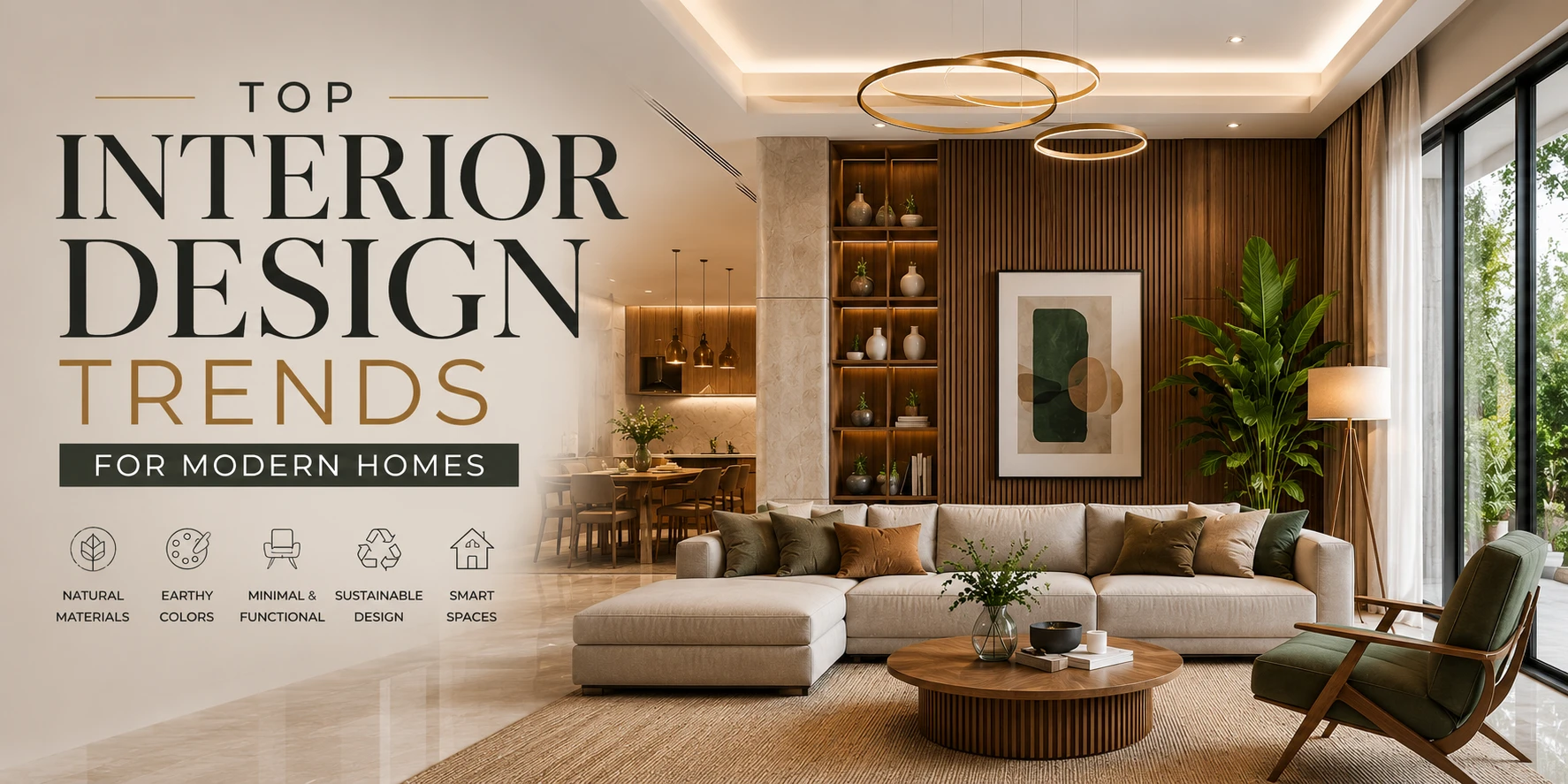
Interior design trends for modern residences are l...
Read More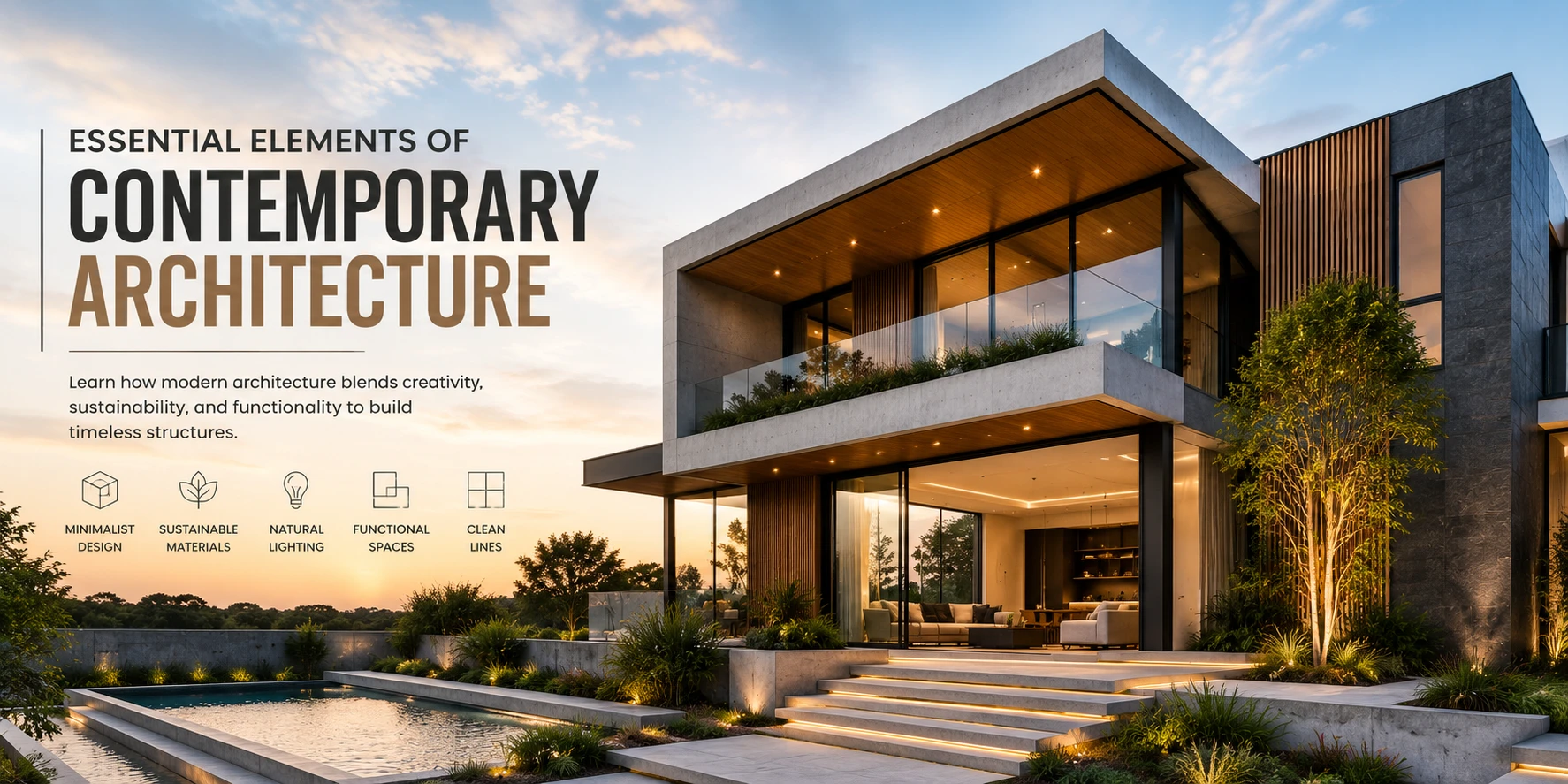
Contemporary architecture represents a bold evolut...
Read More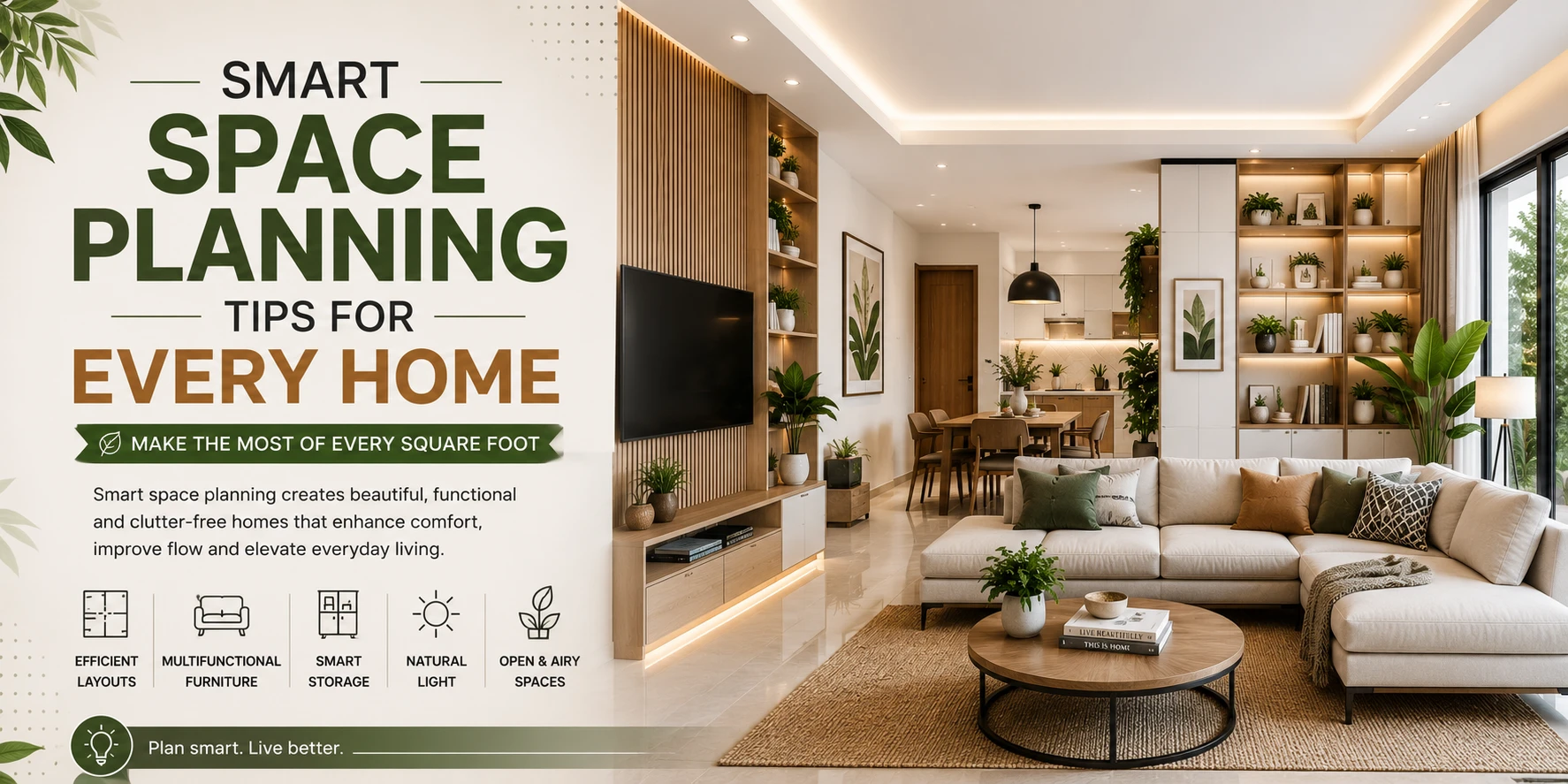
Achieving a luxurious living space does not requir...
Read More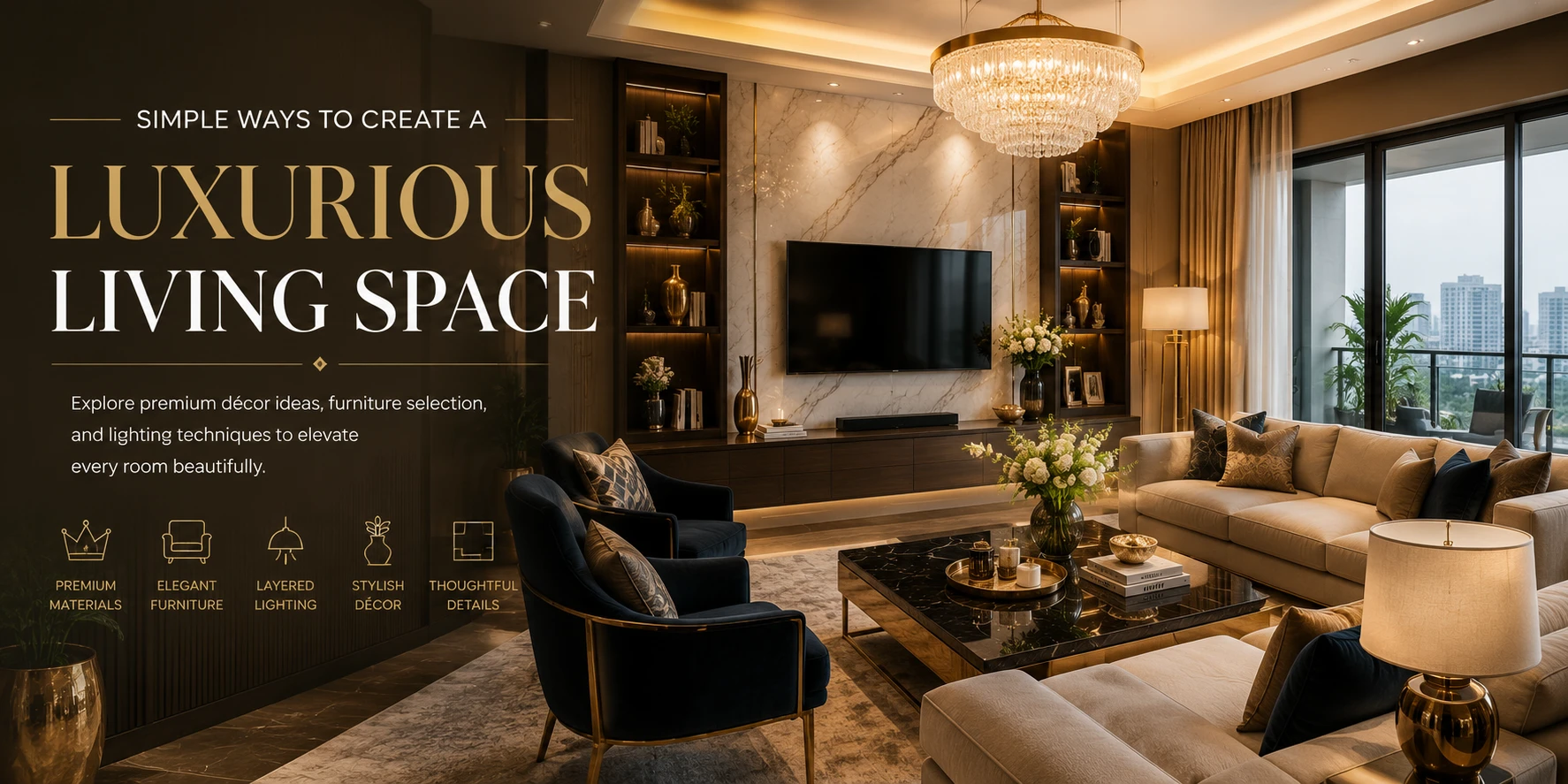
Smart space planning is the foundation of every su...
Read More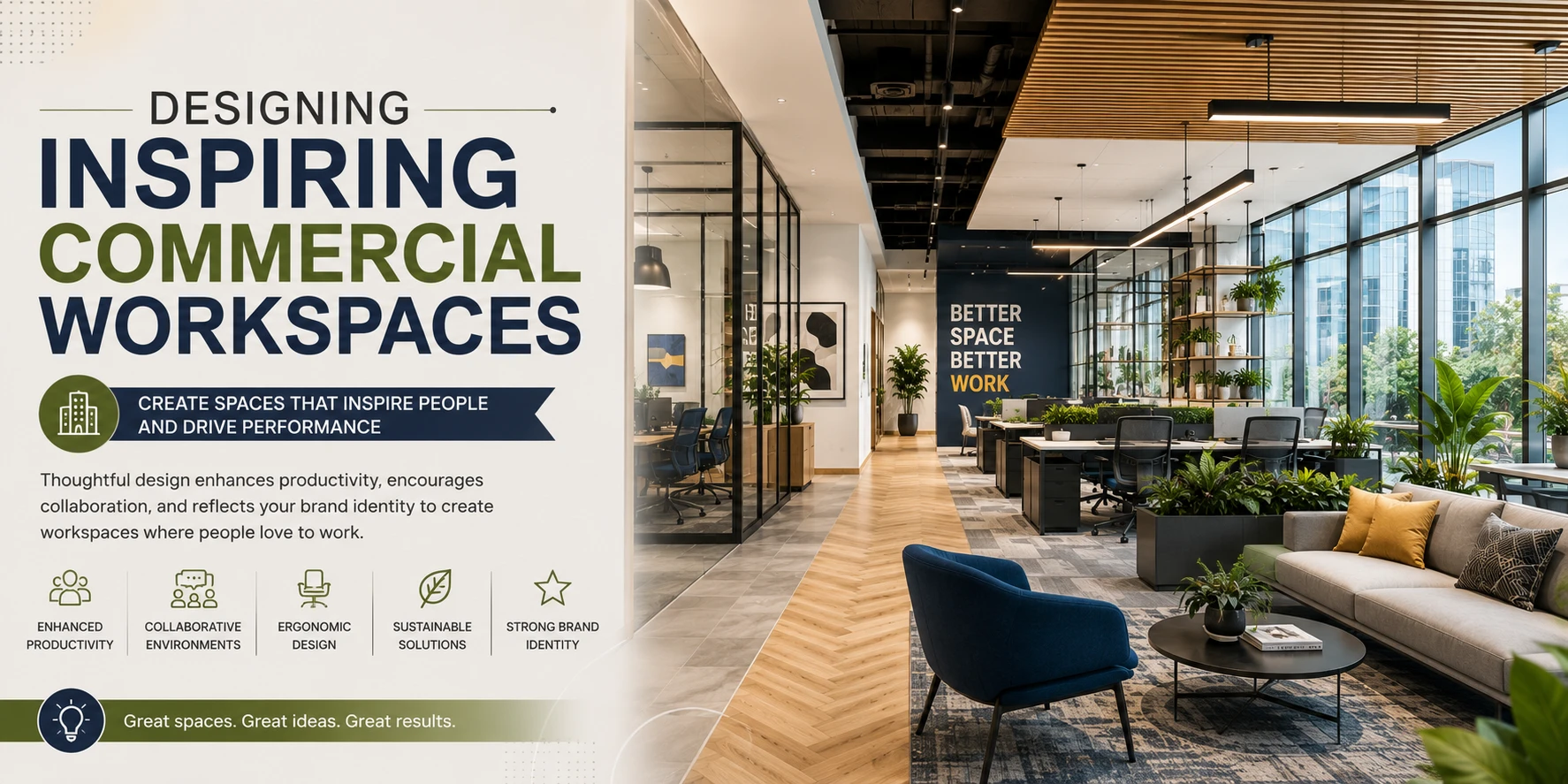
A commercial workspace is no longer just a physica...
Read More