Interior design trends for modern residences are l...
Read More
Contemporary architecture represents a bold evolution in spatial design, moving away from rigid ornamental traditions toward clean geometry, open planning, and structural clarity. It prioritizes the relationship between built forms and their surrounding environments, creating structures that feel light, purposeful, and deeply connected to nature. This design philosophy emphasizes simplicity, allowing raw materials and architectural proportions to create timeless visual impact.
A primary hallmark of contemporary structures is the dramatic application of natural light and structural transparency. Floor-to-ceiling glass paneling, strategic skylights, and expansive window placements allow sunlight to penetrate deep into living spaces, blurring the line between indoor comfort and outdoor landscapes. This continuous interplay with light changes the character of interiors throughout the day, creating bright, uplifting atmospheres.
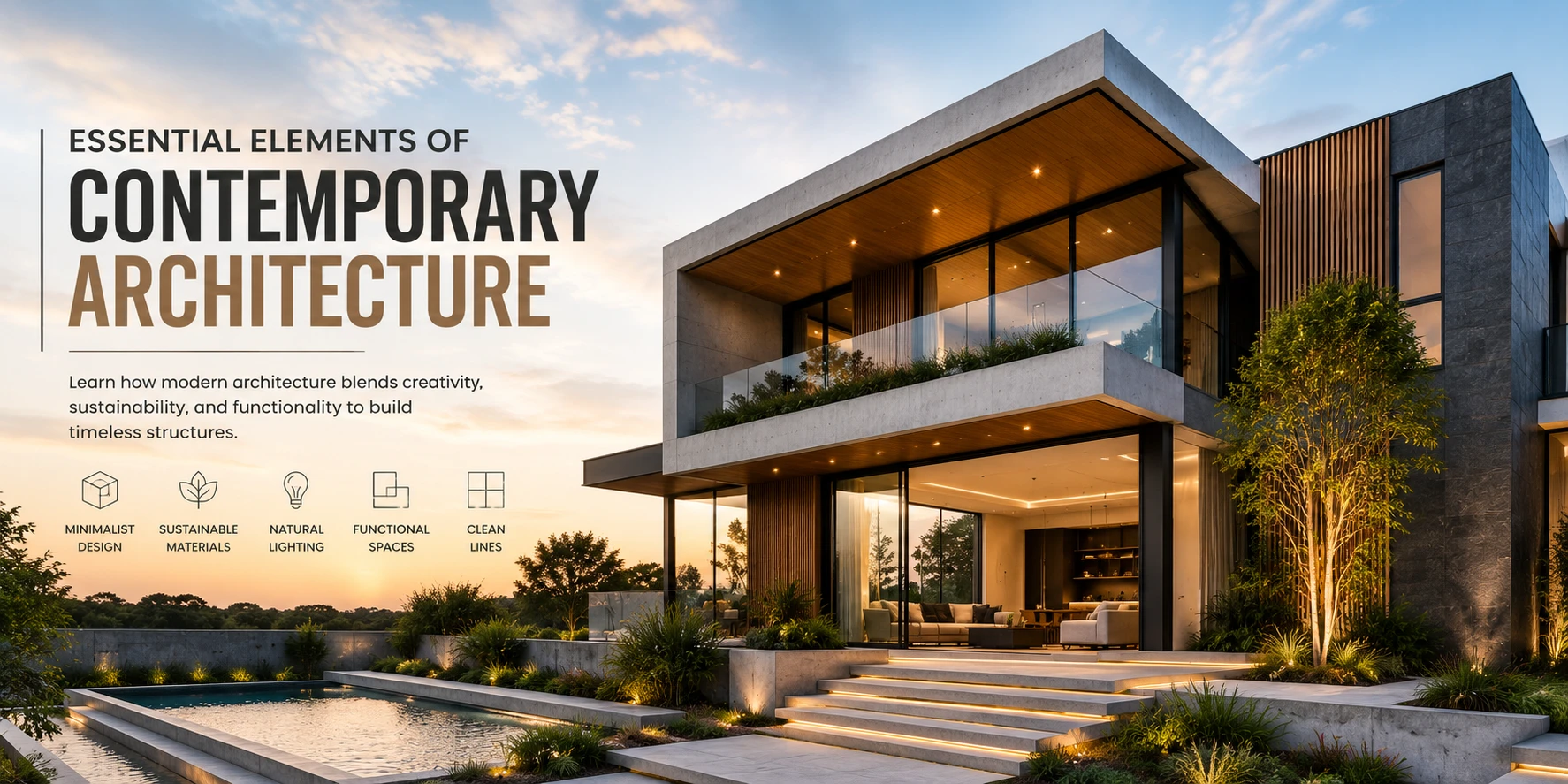
Material selection in contemporary architecture favors authenticity, texture, and structural honesty. Exposed concrete, sleek steel framework, natural stone, and warm timber elements are juxtaposed to create rich visual contrast without relying on artificial embellishments. Each material is chosen not only for its aesthetic appeal, but also for its structural durability, tactile comfort, and low environmental impact over time.
Innovation in construction methods and spatial versatility defines the modern architectural mindset. Open-floor layouts replace fragmented rooms, encouraging effortless movement and flexible living arrangements that adapt to evolving family lifestyles. Contemporary architecture continues to set new standards by marrying minimalist aesthetics with advanced structural engineering to deliver functional, breathtaking spaces.
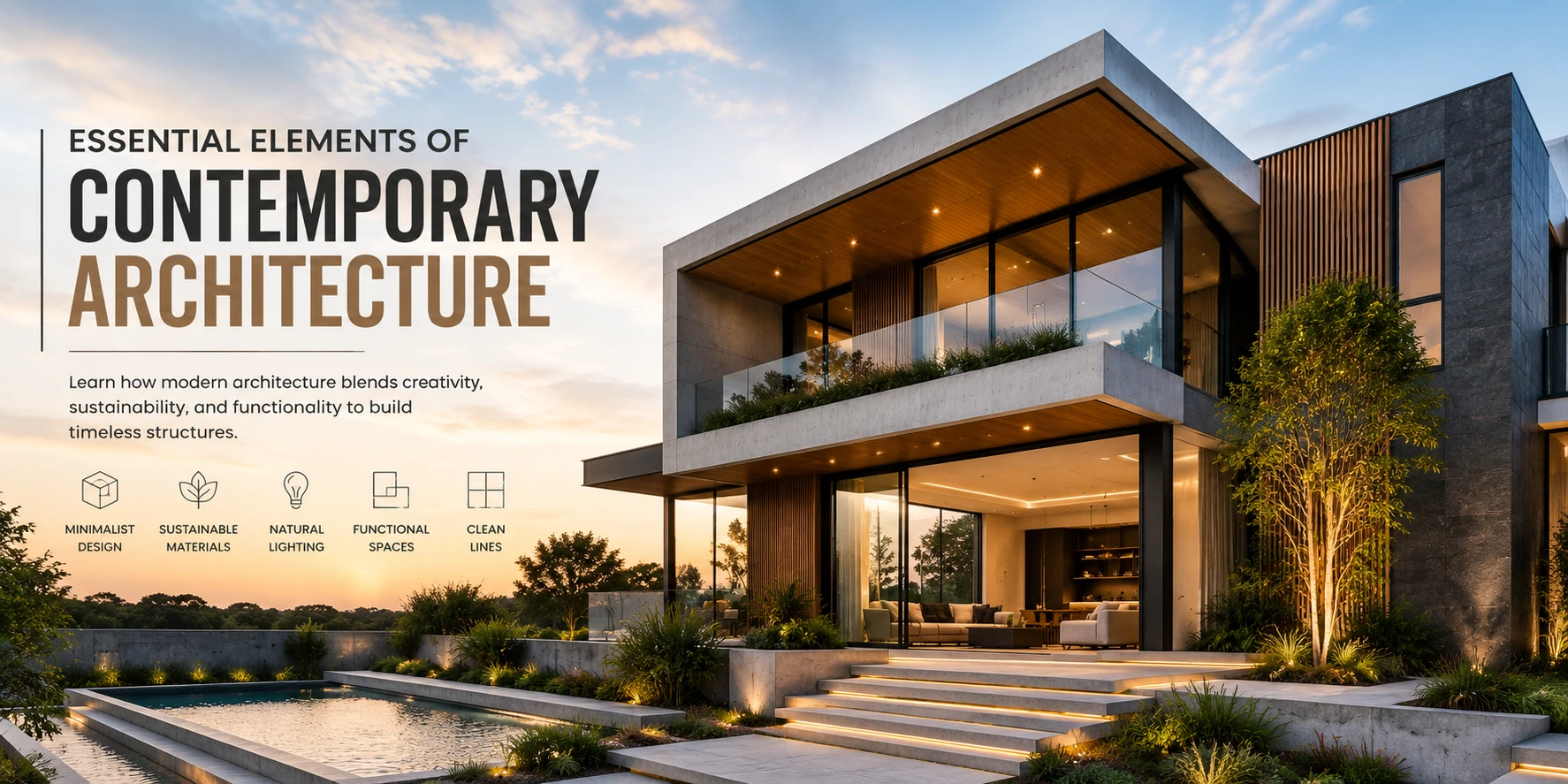
Contemporary architecture is defined by its commitment to functional purity, light-filled spaces, and architectural harmony. By focusing on clean lines, innovative structural concepts, and material integrity, architects craft timeless living and commercial structures that cater to modern lifestyles while effortlessly connecting residents with the natural world.
Prioritizing open layouts and large glass structures allows natural light to flow uninterrupted across interior zones. This design approach creates a sense of continuous space, connects interior living with external surroundings, and enhances the daily living experience through bright, naturally illuminated environments.
Modern architectural design celebrates the natural beauty of raw building elements. By combining exposed concrete, warm timber, natural stone, and structural steel, contemporary homes achieve a balanced tactile richness that is both visually striking and structurally enduring.
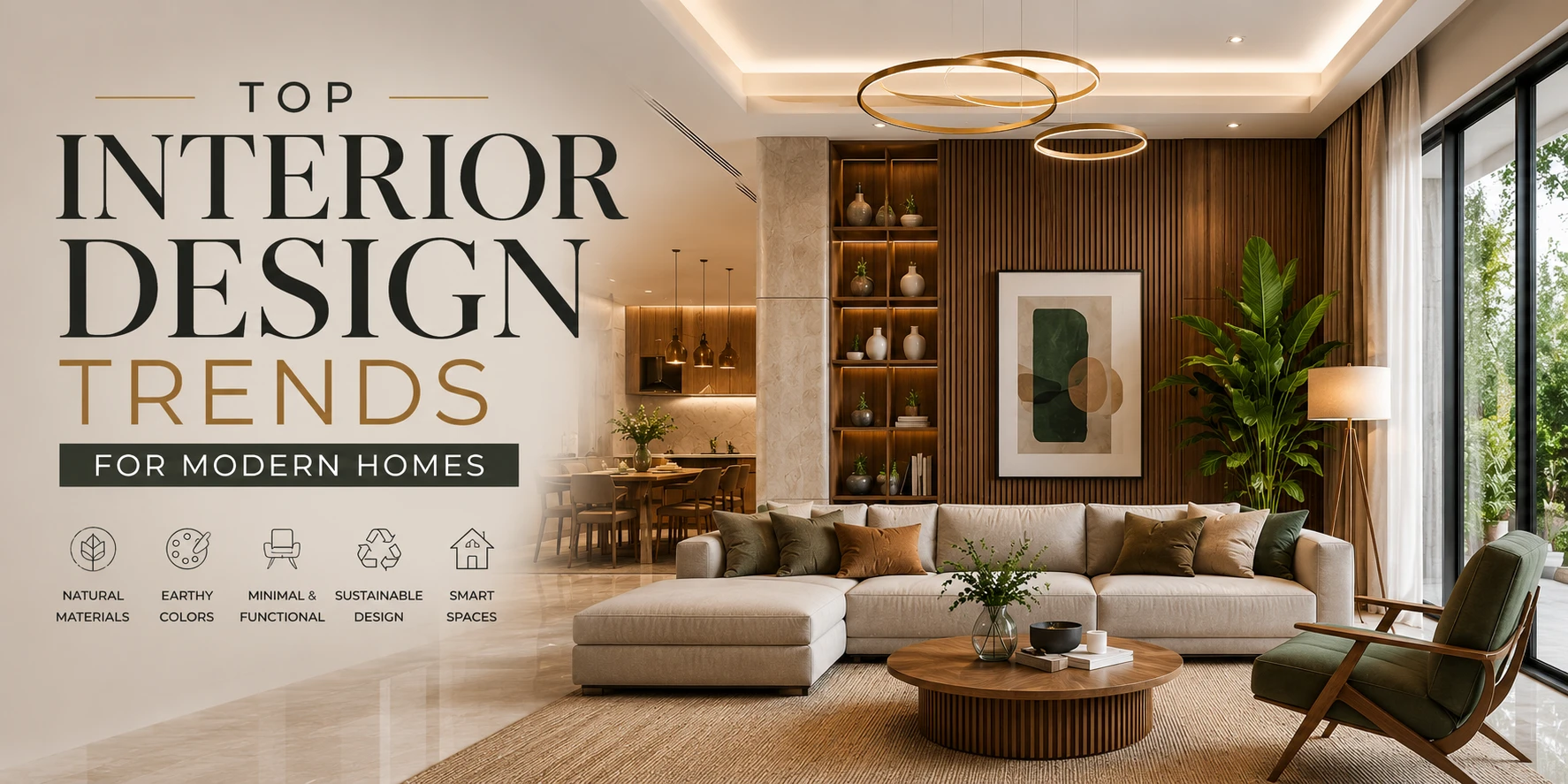
Interior design trends for modern residences are l...
Read More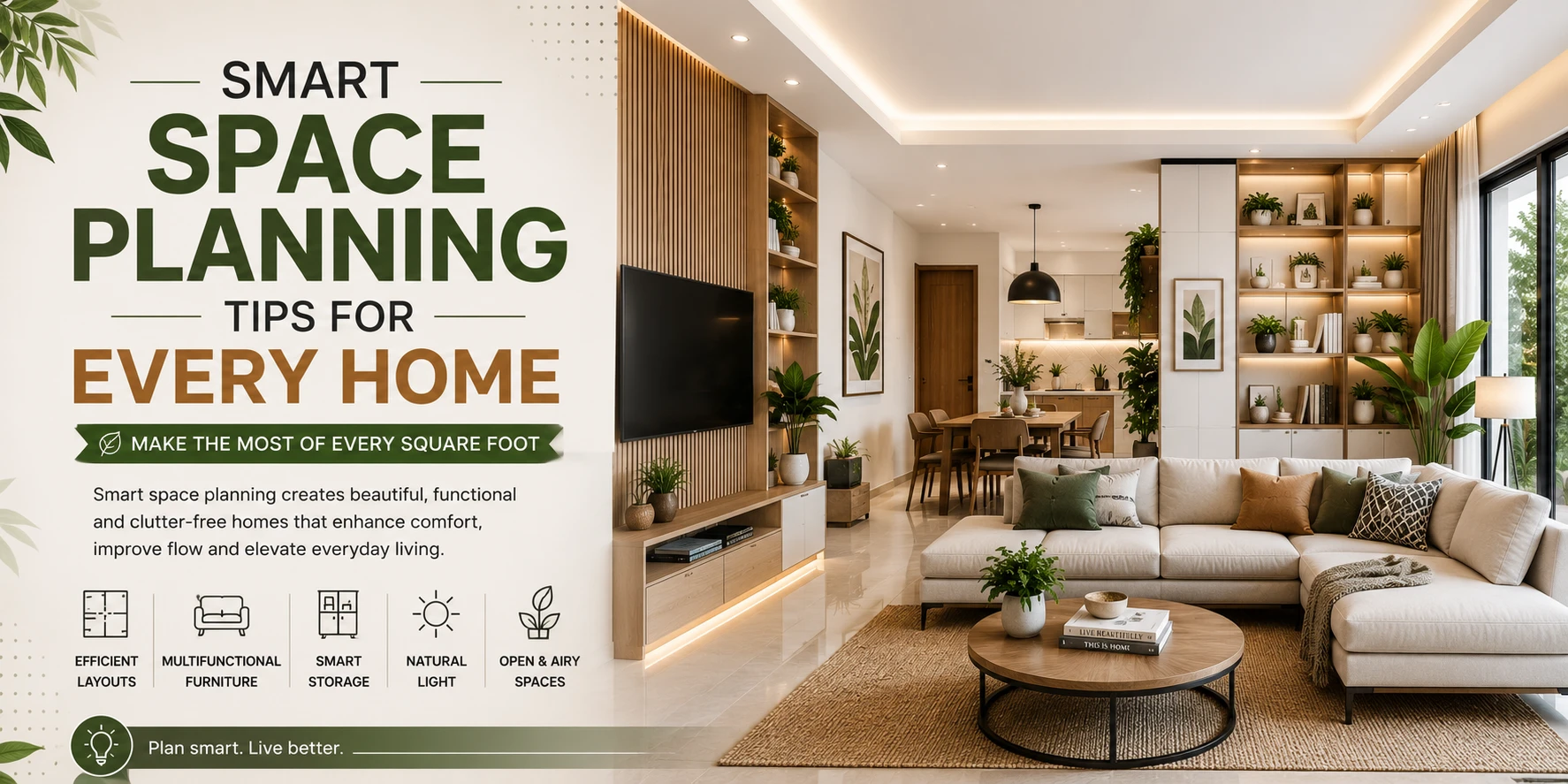
Achieving a luxurious living space does not requir...
Read More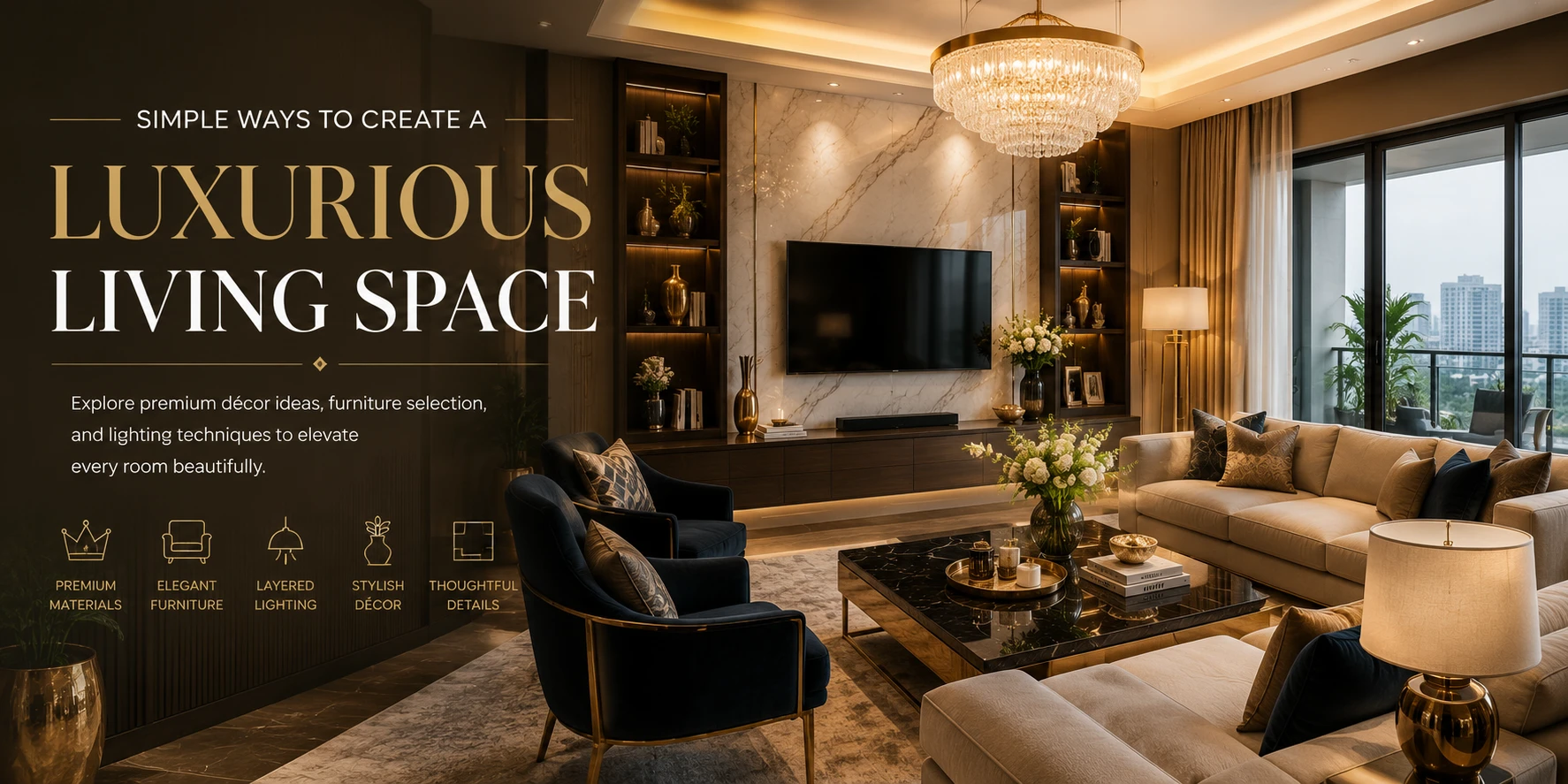
Smart space planning is the foundation of every su...
Read More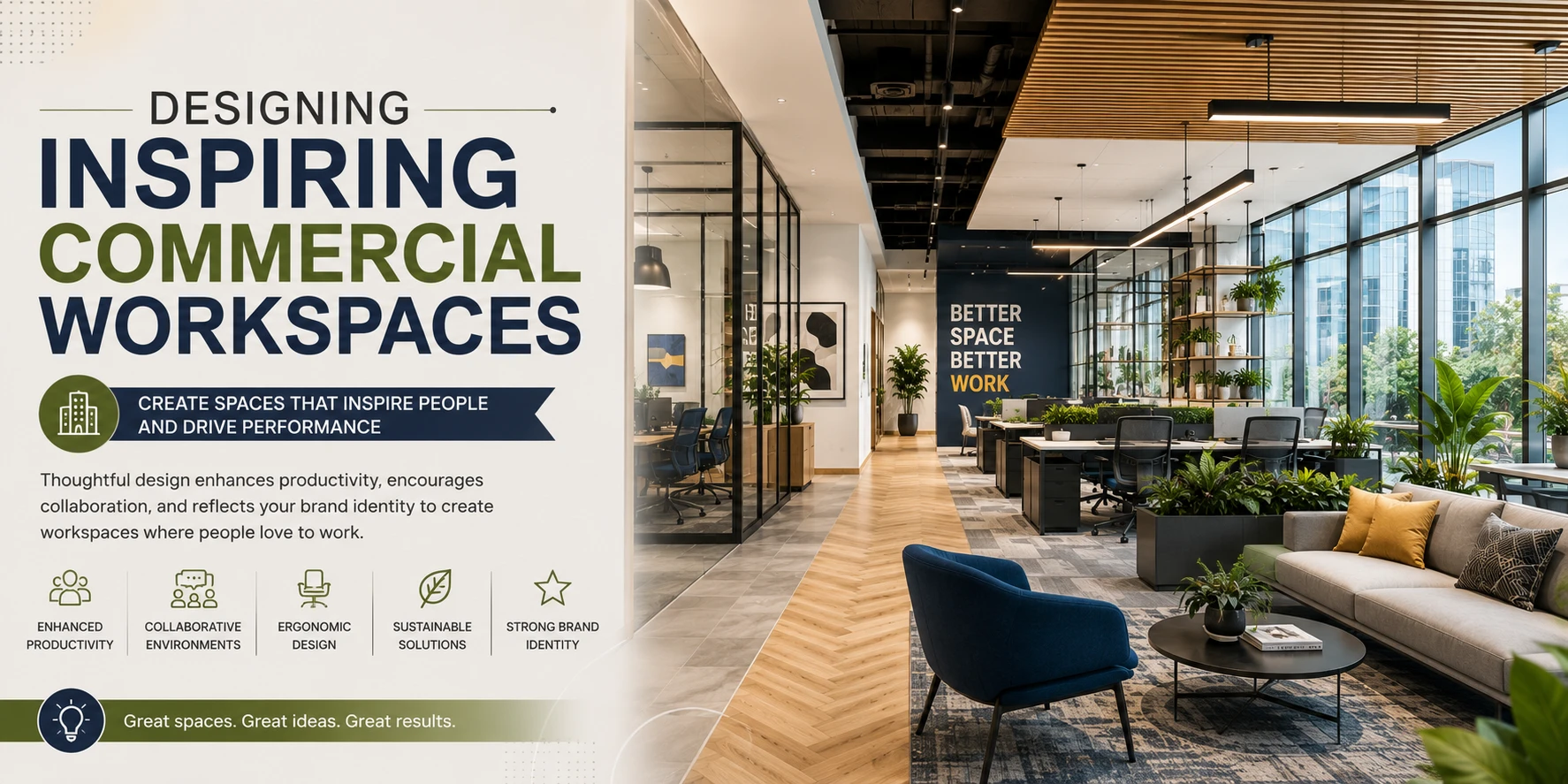
A commercial workspace is no longer just a physica...
Read More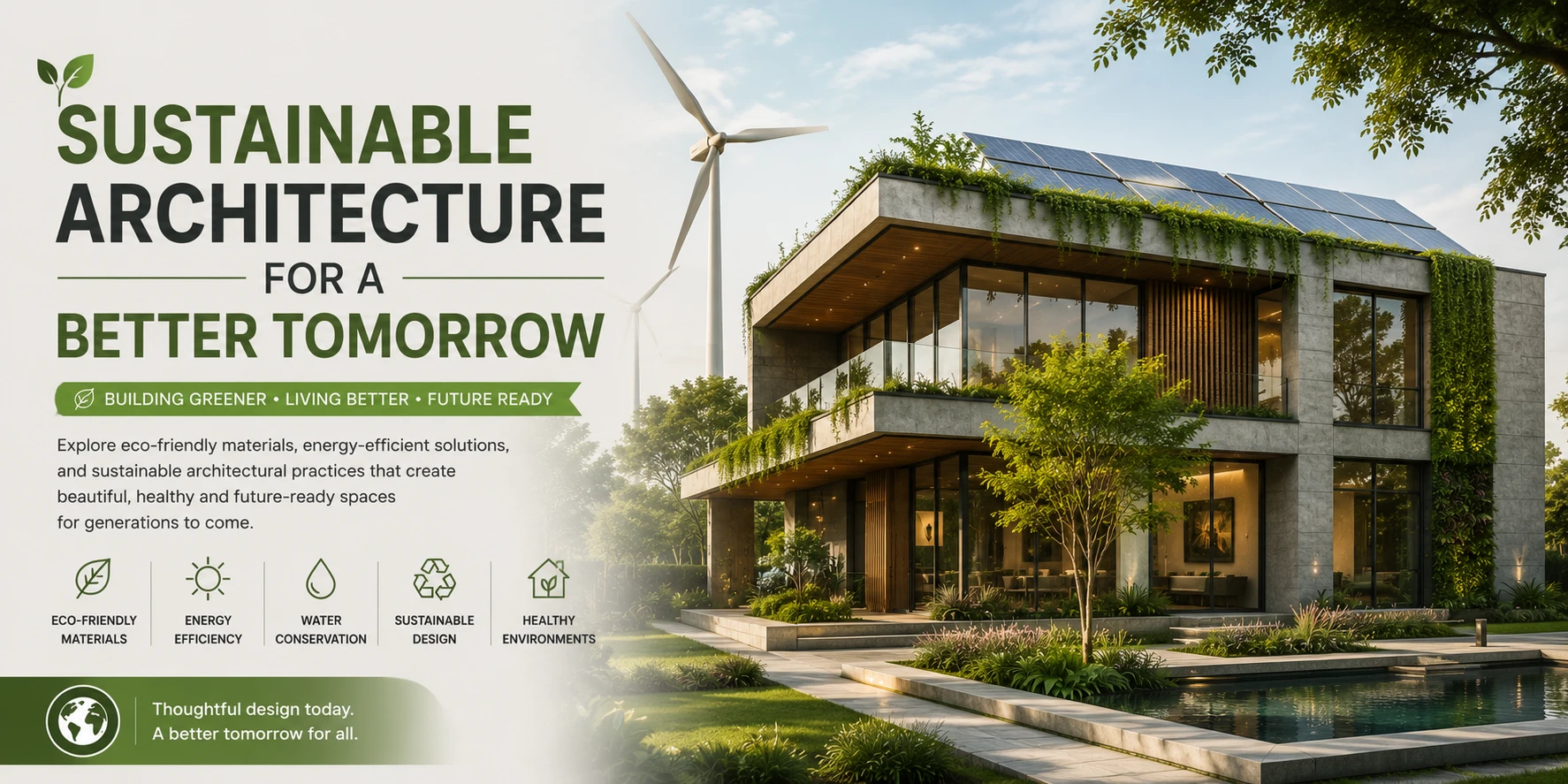
Sustainable architecture is a fundamental shift to...
Read More