An office design affects efficiency, the client ex...
Read More
Luxury interior designing is not all about using expensive materials and finishes. A good design can change the way the space is presented through various components that include space planning, finishing, furniture, and lighting. When one talks about Luxury Interior Designers in Gurgaon, all these components must be critically evaluated and planned for as per the requirement and design concept.
Each individual home is different and the range of high-end residential development in Gurgaon from apartments to penthouses and villas require different design solutions. The focus of each design solution should be to make the home owners’ daily use of the home as effortless as possible, considering how the home is laid out, what is stored where and how easy it is to clean and maintain.
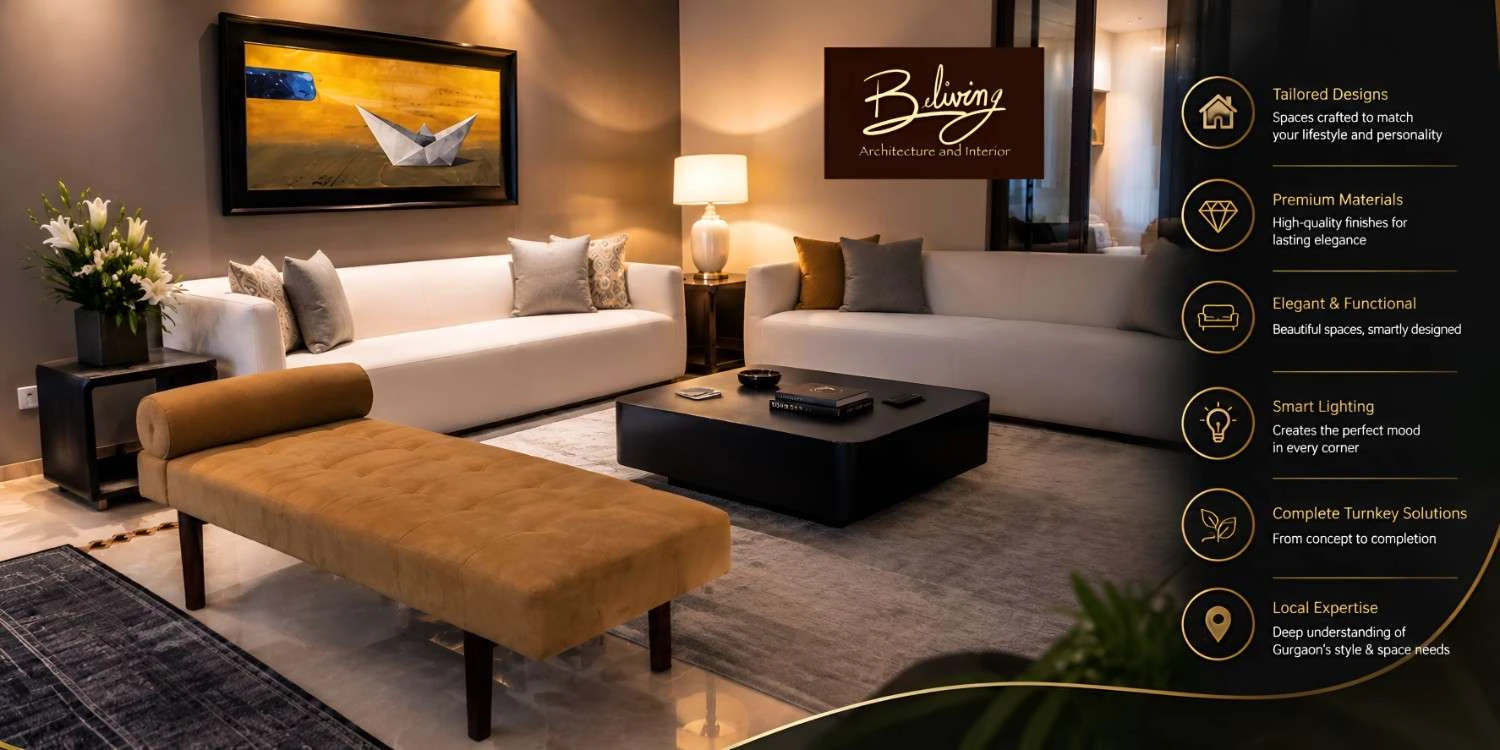
The design of a home should integrate the skills and knowledge of a professional who has an understanding of the many elements of design and construction. Well thought out design integrates the home owner’s understanding of what they are investing in and where their money is best spent.
Luxury design is not restricted to the use of high-end materials. A true ‘luxury’ design combines a number of elements including good design, functionality and quality.
A number of elements may be designed and built for a luxury home including:
Carefully detailed and designed storage solutions and joinery
Lighting solutions
Custom designed and built furniture
A luxurious home incorporates a number of design elements to achieve a high level of finish. While there may be a number of design elements integrated into a home, the design should be congruent with the architecture of the home. Depending on the type of property, design solutions may also need to integrate a range of elements including security, lighting and green-walls.
An experienced luxury design team is adept at progressing beyond the stage of presentations with inspiring images and 3D renderings. The key is in bringing designs to life.
Based on the project scope, a team is equipped to carry out the following:
Preparation of space plans
Concept and mood board development
Construction of 2D and 3D plans
Design of living and dining rooms
Plan and design bedrooms and wardrobes
Design kitchens, including module selection and coordination
Plan and design bathrooms
Lighting plans and design of false ceilings
Electrical and plumbing services
Finishes of walls and floors
Furniture design
Supervision of site works
Material and equipment procurement
Coordination of contractors and service providers
Interior styling
Turnkey project management
Beliving Interior has expertise in both residential as well as commercial projects, including modular kitchens, Kitchen Cum Structural Designing, and renovations. For customers seeking Luxury Interior Designers in Gurgaon the company handles several components of the project such as materials and services selection, supervision, coordination, and delivery of the project to the customers.
This is a major relief for clients, who need not engage several service providers for their project including carpenters, painters and furniture suppliers.
The largest variance in quotes provided by different service providers is generally attributable to the most apparent and least stated details.
The type and quality of materials used greatly affects both the cost and the final outcome of a project.
Hiring a furniture contractor to make storage units and customized furniture for a project is generally more expensive compared to ready made furniture.
A customized dining table or bed, a piece designed by an architect or an interior designer, a custom bar, or a wardrobe with unique features requires additional effort and skill in design and fabrication.
Increasing the complexity of a project by requiring changes to the civil work of the house (modifying walls, moving doors, services, and utility points, and changing ceilings) usually increases the project cost.
This is the reason an estimate must accurately show the costs for each of the three major areas of interior design and execution - design, finishes, and site work.
Incorporating different types of fittings to achieve the desired effect gives more flexibility in design than using a single type of fitting.
Automation and integration of various services to control the home can improve the user experience of the home.
The experience can be further enhanced by planning and designing for integration and automation at the start of the project.
There is a greater need to provide various levels of luxury to different home types.
Space planning becomes critical to make the best use of a restricted floor area ratio (built up area). Integrated design solutions can boost the experience and usability of the home.
Larger floor plans can help integrate various design features to improve the aesthetic value of the home.
Interiors of villas can be personally designed as per the preferences of the owners.
Luxury villas provide the opportunity to connect different levels, and zones of the house including garden, terraces, courts, and other outdoor areas. Design consistency can be ensured by using same finish materials across different levels and zones.
Penthouses help maximize the use of natural light and surrounding views because of large floor plans. Large spaces, however, require a judicious choice of furniture to prevent the space from looking unproportioned.
Which style to implement is to be decided basis the preference of the owners, the architecture of the house and their way of life. Some of the popular styles are as follows:
interiors with sleek, clean lines.
Emphasis is on space and materials.
Depending on the elements used, interiors can seem luxurious without the use of frivolous adornments.
Proportions and details of elements, including edges, play an important role to achieve the look.
Storage is concealed behind walls to achieve a clean, clutter-less look.
This style interiors make ample use of details, textures, contrasting colors and contrasting proportions.
Blessed are the eyes who get to feast on it.
Proportions can be playful and feel sublime.
A project is successfully implemented if the design team is able to monitor the quality of work and its adherence to the budget.
The team takes into account the requirements of the client, and accordingly breaks down the project into smaller units to be able to manage it effectively.
Consider factors such as:
How many members in the family?
Daily activities
How much storage space is required?
How will the space be used for entertainment?
Will the space be used for work?
What is the family’s sense of style?
What kind of furniture do they already have?
What do they expect from their lifestyle in the future?
A good designer takes into account all of the above mentioned before coming up with the final design.
Once the site has been physically inspected, dimensions taken and other site constraints documented, the designer is in a better position to make a more informed decision regarding the design of the construction.
This stage is concerned with the general appearance of the finished design.
At this stage, homeowners are advised not to make individual choices but to look at the design as a whole to assess its general elegance and beauty.
Designs at this stage help homeowners visualize proposed spaces.
Priorities should be given to the functions of materials and finishes.
Ask about the following:
Thickness of boards
Type of surface finish
Fittings
Countertops
Paint
Glass
Lighting
Upholstery
Is a warranty provided?
The quote should be clear on what costs are included and what costs are excluded.
After the contracts have been signed, work begins on the stipulated designs.
It is essential to carry out frequent site visits as final finishing of carpentry, electrical works and ceiling works affect the overall appearance of the job.
Prior to handing over a job, clients are invited to carry out a ‘snagging’ process to identify any minor defects in the works, which include, but are not limited to, doors and drawers, fittings, ceiling and floor finishes, plumbing and electrical fittings.
The ‘snagging’ process allows works to be completed prior to acceptance of the job by the client.
Beliving Interior specializes in the turnkey concept from design to completion of the project. It takes about 6 to 12 weeks to complete a project after the design stage. However, the duration may be longer for bigger and more complicated projects.
Compare designers based on the entire package rather than the cheapest price.
The package should include the supervision of the execution works and the kind of materials to be used. Other considerations should include the duration of the works, payment terms, post completion works, changes to be effected and the comfort level of the users of the facility.
The best design portfolio should contain samples of consistent and high quality works rather than some impressive sampling of singular high quality works. The portfolio should cover various samples rather than focusing on a few high quality samples.
When selecting works for a portfolio, designers should consider usability and function rather than form.
Focus resources on initiatives with the highest potential impact.
Kitchen and Wardrobe hardware
Frequently used Office and Home furniture
Floor coverings
Lighting
Decorative Surfaces
Seating
Storage
accessories, which can be changed later
surfaces, which can be changed later
ceiling details, which can be changed later
decorative furniture, which can be changed later
The goal should be to maximize the design impact and value of the project.
A Luxury project in Gurgaon should consider more than just the interiors.
Prior appropriate permissions from, society/ apartment, building management, local municipal authority etc should be in place before the work commences.
Usually, various work permits and approvals slow down the construction process, even if the main design work is completed.
Large living rooms can have flexible design to accommodate circulation paths around furniture, instead of large and awkward designs which limit the movement. Similar design strategies can be used for other large rooms e.g. bedrooms, kitchens, etc.
A design should integrate all the functions it is required to serve e.g. large storage spaces, adequate seating, supports for activities, and other features.
Also, design should integrate a balance of various other aspects e.g. elegance, comfort, aesthetic appeal, utility, ease of maintenance, and other features.
Personalized design is a key element of contemporary luxury design. Expensive materials are still used, but in a more subtle way.
Some suggestions are:
Warm, neutral color palettes
Textured elements
Layered lighting
Case pieces and storage designed to fit the space
Furniture and storage built to integrate electronics
Automated controls for the home
Natural stone
Large, seamless surfaces
Art and decor
Houseplants
Dedicated work spaces
It is best to use design trends to enhance a space, rather than base an entire design on a trend. True style is timeless, and designs should reflect this.
Even that largest design budgets cannot make up for poor design. Some mistakes include:
Beginning work before the final set of plans and specifications are issued.
Selecting materials without checking specifications
Not comparing the scope of services when evaluating prices
Using storage functionals
Using too many decorative pieces
Using large furniture in small spaces
Poor lighting design
Poor management of the design process
Not establishing a contingency in the budget
Failing to research contractors
Focusing on function rather than form is essential for good design.
Packages cover a range of services from concept and space planning to design and 3-D rendering, and the management of the project and the trades. Confirm the exact services covered before accepting a proposal.
The length of a project depends on a number of factors, namely the size and scope of the project. Beliving Interior usually takes 6-12 weeks to complete a residential project after design approval. Bespoke and larger projects usually take longer due to fabrication and construction constraints.
Absolutely. Great use of space with effective storage solutions and innovative use of materials can transform an apartment.
With a defined budget, a design can be tailored to adjust scope of work and still meet client expectations.
Yes. Ask about their previous experience with similar projects, the kind of materials they use, and if they manage the project from start to finish. Find out what their policy is in regards to site supervision, changes to scope of work, and what happens at the end of the warranty period.
Yes. Careful prioritization of spending can result in a more polished final result despite constraints on the total budget. Expensive finishes can be restricted to particular areas to maximize their impact.
In most cases, the use of proper proportions, consistent lines, even luck with good lighting, and high quality materials and finishes can elevate a space more than strategic placement of high ticket decorative items. Furnishings play an important role in achieving the overall effect, as do other case goods and built-ins.
In general, a ‘luxury’ home demonstrates excellent attention to detail, and a design that is visually appealing as well as functional. The integrated use of materials that complement the overall design and retain visual appeal contribute to the overall effect.
Homeowners in Gurgaon that are considering hiring a Luxury Interior Design firm, would benefit from clearly stating their design goals, and budget.
With thoughtful and creative design solutions, a true understanding of the clients’ lifestyle, and a functional, pleasant space to inhabit, design professionals can help clients maximize their living environment.
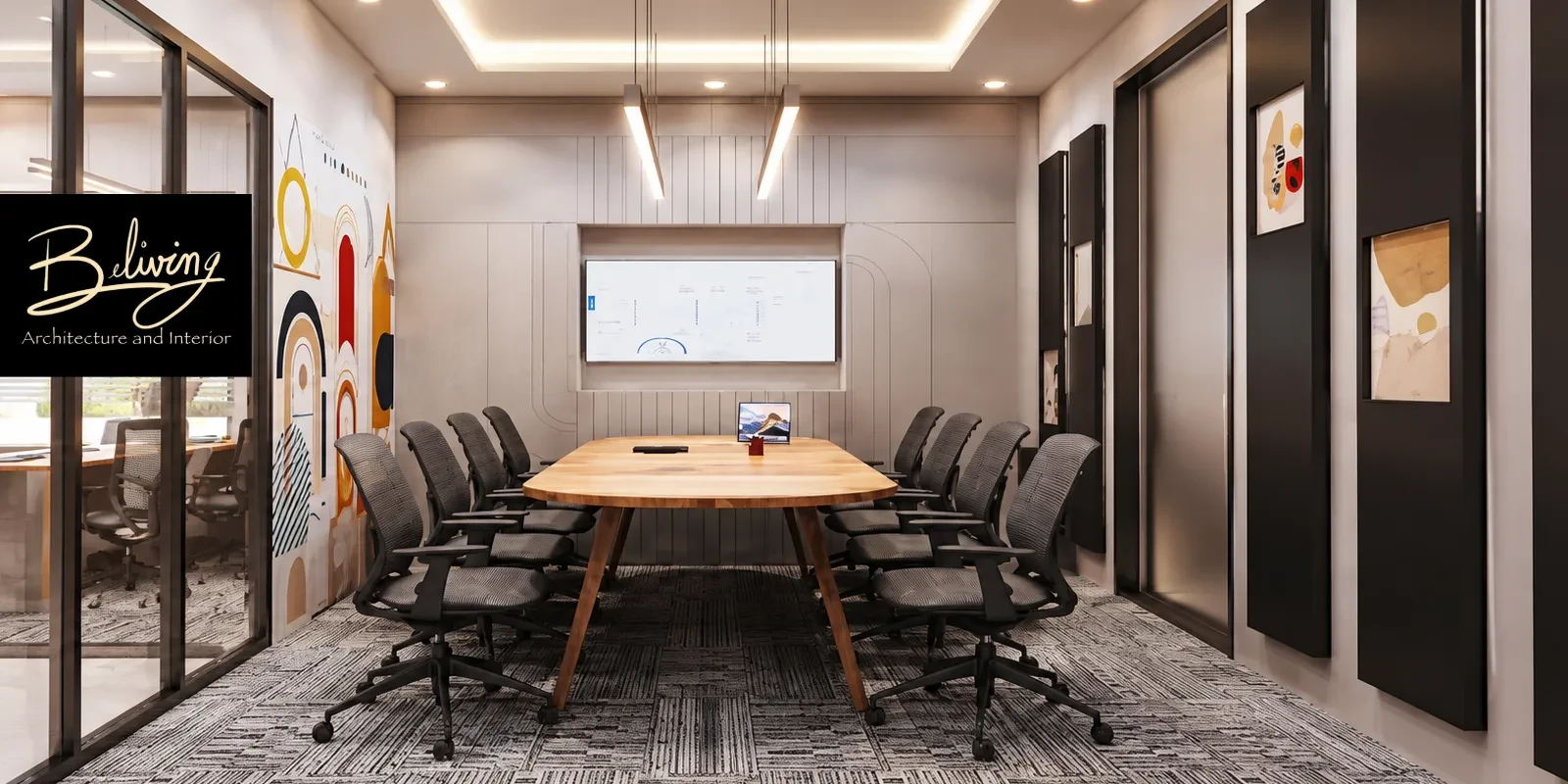
An office design affects efficiency, the client ex...
Read More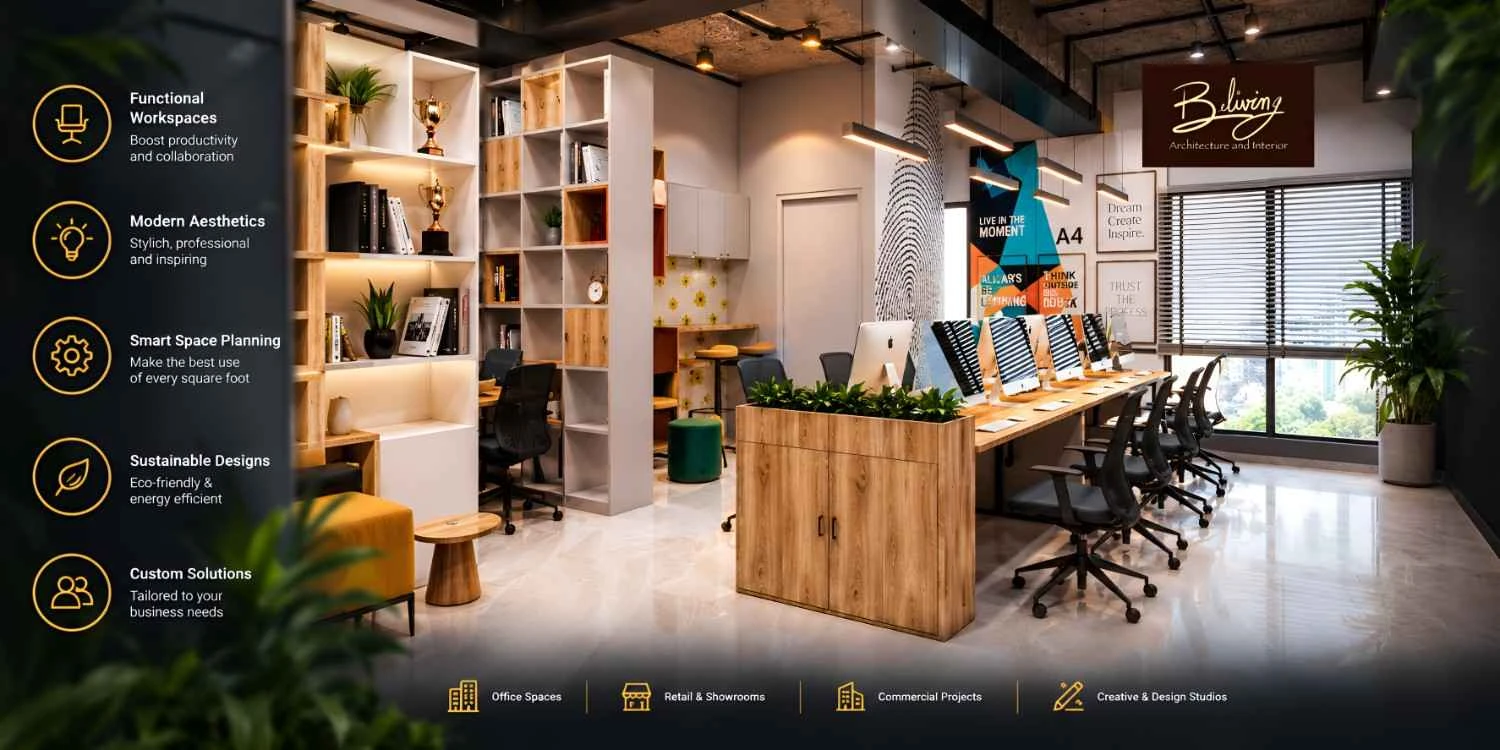
The interior design of a commercial establishment...
Read More